Tractor Supply Bedford and Sustainable Agriculture: A Critical Assessment
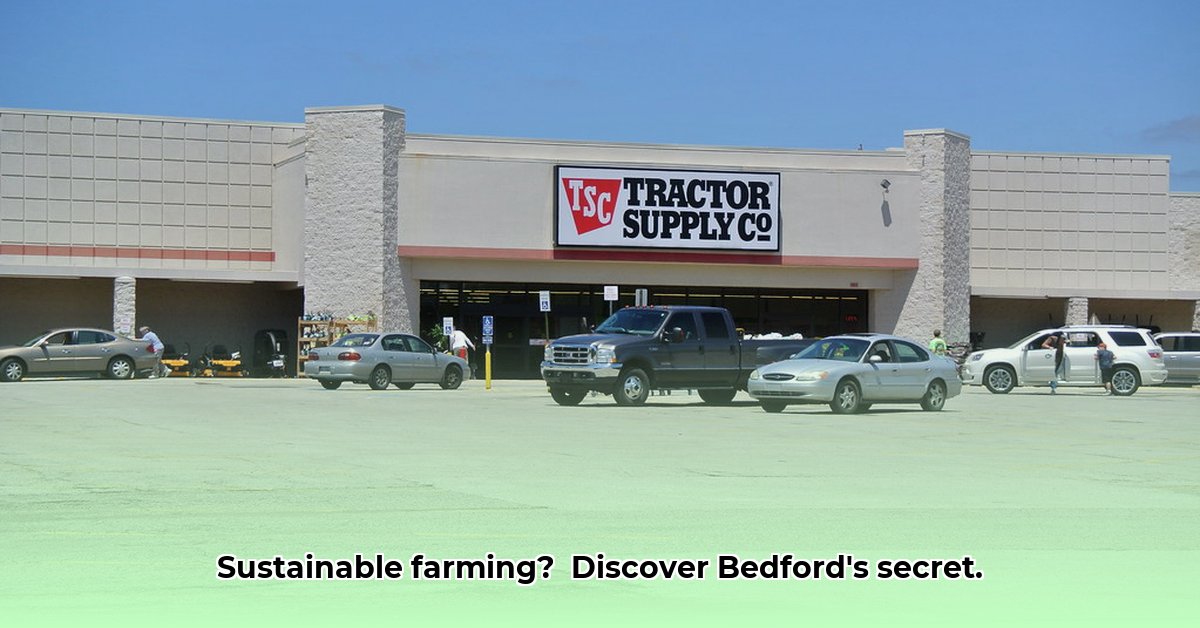
Tractor Supply Company (TSC) plays a significant role in supplying agricultural products, impacting the sustainability of farming practices. This article examines TSC's current contributions to sustainable agriculture, identifies areas for improvement, and offers actionable steps for various stakeholders to foster a greener future. We will focus specifically on Tractor Supply’s Bedford location but the principles discussed apply broadly. This isn’t just about purchasing products; it’s about building a more sustainable food system. For example, learn more about sustainable bedding options here.
Tractor Supply's Product Offerings: Potential and Pitfalls
TSC Bedford offers a range of products potentially beneficial for sustainable agriculture. Water-efficient irrigation systems can help conserve water resources, while certain livestock feeds could contribute to sustainable practices if sourced responsibly. However, a crucial gap exists: a lack of transparency regarding sourcing policies and manufacturing processes. Do their feeds prioritize organic or sustainably produced ingredients? What percentage of products incorporate recycled materials? Without detailed information on their supply chain, it’s difficult to assess TSC's actual commitment to environmental stewardship. This lack of clarity mirrors a broader challenge facing the agricultural industry – the need for increased transparency in product lifecycles.
Challenges and Gaps in Sustainability Efforts
A significant obstacle to evaluating TSC's sustainability impact is the limited public information on their environmental initiatives. While TSC has publicized ambitious goals, detailed data on their environmental footprint, waste management practices, and energy efficiency remain scarce. This lack of concrete, verifiable data inhibits independent assessment and undermines the credibility of their sustainability claims. How can consumers confidently support a company's sustainability initiatives without transparent, readily available data to support those claims? The absence of such data raises concerns about true organizational commitment.
Actionable Steps for a Greener Future
To advance sustainable agriculture, proactive steps are needed from all stakeholders. The following outlines practical strategies:
For Tractor Supply Company:
- Conduct a Comprehensive Sustainability Audit: A thorough review of operations, encompassing sourcing, manufacturing, transportation, and waste management, is crucial for identifying areas needing improvement. This audit should be independently verified.
- Publish a Detailed Sustainability Report: This report should provide specific, measurable, achievable, relevant, and time-bound (SMART) goals, along with transparent progress updates. Include data on key indicators like Scope 3 emissions (supply chain), water consumption, and waste reduction. This report should be publicly accessible and updated regularly.
- Partner with Sustainability Experts and NGOs: Collaborating with reputable organizations can enhance credibility and provide valuable expertise in implementing sustainable practices.
- Prioritize Sustainable Product Sourcing: Expand the range of sustainably produced products offered, clearly labeling their environmental benefits to consumers and farmers. This will actively support sustainable farming practices.
- Implement and Promote Waste Reduction Programs: Reduce waste within store operations and supply chains. Implement and promote energy-efficiency measures.
For Small-Scale Farmers:
- Prioritize Sustainable Product Selection: Carefully choose products aligning with sustainable farming practices. Look for organic options, water-efficient solutions, and tools supporting conservation tillage.
- Invest in Continuing Education: Stay informed about sustainable agricultural techniques through workshops, online resources, and industry publications.
- Implement Precision Agriculture Techniques: Utilize data-driven strategies to optimize resource use and minimize waste. This includes techniques like precision irrigation and variable-rate fertilization.
- Promote Crop Diversity: Diversify crops to reduce the need for excessive fertilizers and pesticides.
For Consumers:
- Demand Transparency: Insist on transparency from retailers like TSC. Seek out clear information on product sourcing, manufacturing processes, and environmental impacts.
- Support Sustainable Businesses: Actively support businesses committed to ethical and sustainable practices.
- Advocate for Policy Changes: Contact elected officials to advocate for policies supporting sustainable agriculture.
For Government Agencies and NGOs:
- Incentivize Sustainable Practices: Provide financial incentives, grants, and other resources directly supporting sustainable practices within the agricultural sector.
- Strengthen Environmental Regulations: Enforce regulations encouraging sustainable practices and hold businesses accountable for their environmental claims.
- Fund Research & Development: Invest in research and development promoting environmentally friendly agricultural technologies.
Conclusion: Building a Shared Commitment
Sustainable agriculture requires a collective effort. While TSC has the potential to be a significant force for positive change, full realization depends on increased transparency, accountability, and collaborative action. By working together – farmers, consumers, businesses, governmental agencies, and NGOs – we can build a more sustainable and resilient food system for the future. TSC's improved transparency will be a critical step in this collective journey.